
Summer in NSW means warmer days, beach trips, backyard barbecues and more time enjoying the outdoors. But with the warmer weather comes an increased risk of heat-related illness, sunburn, bites and stings.
Whether you’re heading to the beach, exploring the bush or spending time with family and friends, knowing how to recognise and respond to common summer emergencies can make all the difference.
Here are some of the biggest summer first aid risks and what you need to know to stay safe.
Heat-induced illness
Heat exhaustion can develop when the body struggles to cope with high temperatures, particularly during physical activity or prolonged exposure to the heat. In fact, during the major heatwave in 2019 hospital admissions increased by 14%. Of those who presented at emergency rooms with acute heat-related issues, 19% needed to be admitted. Signs of heat exhaustion include dizziness, nausea, weakness, heavy sweating, pale or clammy skin and a rapid pulse.
If left untreated, heat exhaustion can progress to heatstroke, a life-threatening emergency.
Warning signs include confusion, collapse, seizures or altered consciousness. A person experiencing heatstroke may still be sweating.
What to do:
If heatstroke is suspected, call Triple Zero (000) immediately and begin rapid cooling.
Follow DRSABCD and continue cooling while waiting for emergency services.
Sunburn
Australia has one of the highest rates of skin cancer in the world and two in three Aussies will be treated for skin cancer during their lifetime.
During the summer, when UV levels are at their highest, sunburn can occur in as little as 10-15 minutes.
In 2022, over 800 people across the state presented to emergency departments hospital requiring treatment for sunburn, the majority of these being children and young people. Of those hopitalised 19% require surgical wound management procedures and 4% require intensive care admission.
Prevention is the best protection.
Remember to Slip on sun-protective clothing, Slop on SPF50+ sunscreen, Slap on a hat, Seek shade and Slide on sunglasses.
What to do:
If sunburn occurs, move out of the sun and cool the affected skin under cool running water or with cool compresses. Drink plenty of fluids and avoid further sun exposure while the skin heals.
Seek medical advice for severe or widespread blistering, signs of dehydration, or sunburn in babies and young children.
Snake bites
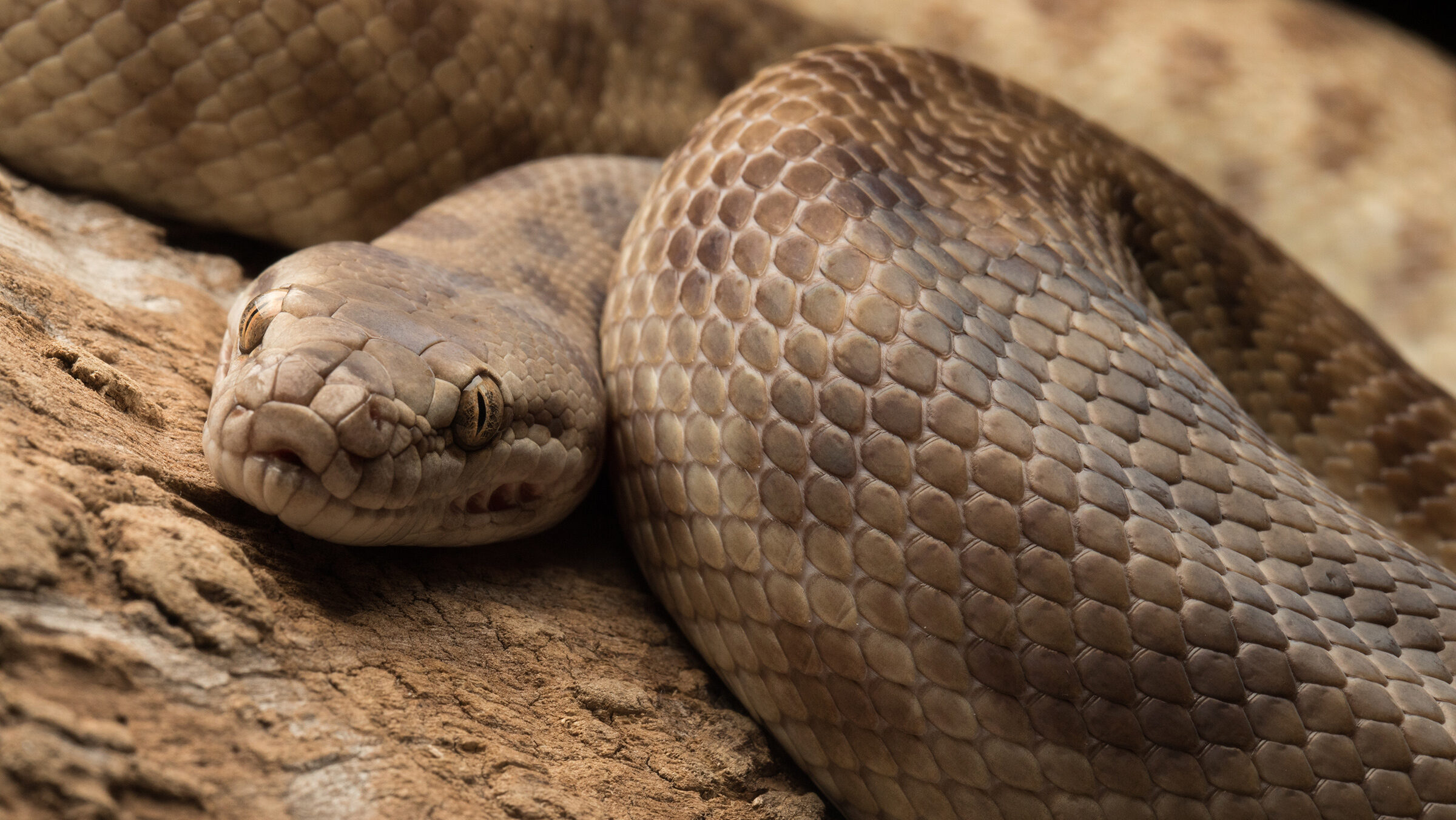
9 out of the top 10 most venomous snakes in the world are native to Australia and 7 of those can be found in NSW! While some of the more reclusive species stay out in the bush or the desert, several of Australia’s most venomous snakes thrive right inside major NSW cities and suburbs and about 60% of snakebites occur at or around the home. Snakes are much more active during warmer weather, it’s good to be prepared and know what to do should you encounter one.
A snake bite may not always be obvious or painful, and symptoms can take time to develop.
Signs can include pain, swelling, nausea, dizziness, blurred vision, drooping eyelids or difficulty breathing.
What to do:
Call Triple Zero (000) immediately. Keep the person lying down, calm and as still as possible.
Apply a pressure immobilisation bandage firmly over the bite site, then bandage the entire affected limb and immobilise it with a splint, such as a stick or small branch.
If you don’t have a snake bite first aid kit you can use a stick or small branch to splint the limb and a towel, shirt or other piece of clothing to immobilise the limb.
Do not wash the bite, attempt to remove venom or allow the person to walk.
Spider bites
Most spider bites cause only minor symptoms, but bites from funnel-web and mouse spiders can be life-threatening.
Serious symptoms may include sweating, drooling, muscle twitching, tingling around the mouth, difficulty breathing or confusion.
What to do:
For suspected funnel-web or mouse spider bites, call Triple Zero (000) immediately and apply the same pressure immobilisation technique used for snake bites.
For redback spider bites, wash the area and apply a cold pack wrapped in cloth for up to 15 minutes. Do not use a pressure immobilisation bandage. Seek medical advice if symptoms are severe or persistent.
Be ready for whatever summer brings
A little preparation can make a big difference when an unexpected injury or emergency occurs.
Before heading off on your summer adventures, make sure your first aid kit is fully stocked, your supplies are in date and you know what to do if someone needs help.
From treating minor cuts and burns to responding to a serious emergency, having the right equipment and the confidence to use it can help you act when it matters most.
Get summer-ready with St John NSW
A little preparation can make a big difference when an unexpected injury or emergency occurs.
Before heading off on your summer adventures, make sure your first aid kit is fully stocked, your supplies are in date and you know what to do if someone needs help.
From treating minor cuts and burns to responding to a serious emergency, having the right equipment and the confidence to use it can help you act when it matters most.
- Build your confidence: Explore our First Aid and CPR training courses and learn the skills to respond in an emergency.
- Stock up on essentials: Check your first aid kit and replenish bandages, dressings, cold packs and other essential supplies. Make sure you have the right first aid equipment for your home, car and outdoor adventures.
Get trained. Get equipped. Be first aid ready this summer.