
Workplace Services
Defibrillator Checks
Automated External Defibrillator (AED) checks conducted by industry experts to help ensure devices remain reliable, compliant and emergency-ready.
Is Your Defibrillator Ready When It Matters Most?
In many workplaces, clubs, and community settings, responsibility for the defibrillator sits with someone who is not a safety specialist.
That can create quiet uncertainty.
You might be wondering whether the device is still ready, whether you would notice a problem, or whether you might be missing something important.

What 'Ready' Actually Means
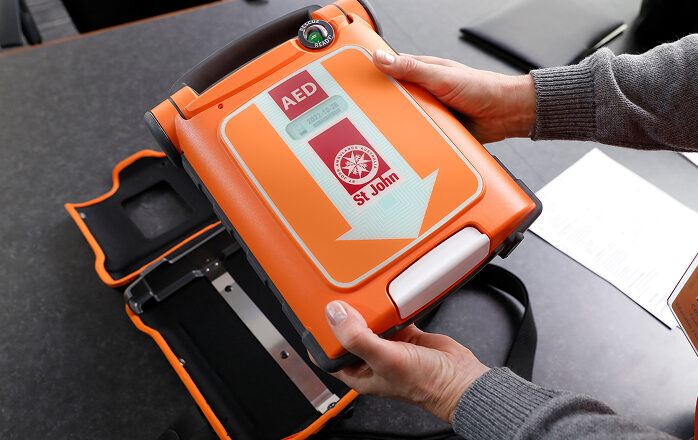
When we talk about a defibrillator being “ready”, we are referring to a small number of things that genuinely matter:
- The defibrillator shows it is ready (often a green symbol or light or no warning indicator)
- Pads and batteries are still in date (they can expire even if the unit powers on)
- The defib has visible no damage (no cracks, missing parts, or environmental damage)
Most defibrillator issues are simple, visible, and preventable and are easily identified with a monthly check.
If these things are in order, the device is generally in a good state of readiness.
A reasonable monthly check
For most workplaces and community settings, a simple monthly check is usually enough to confirm nothing important has been missed.
This does not require technical knowledge or specialist tools.
A reasonable monthly check typically involves:
- Looking at the status indicator
- Checking expiry dates on pads and batteries
- Confirming the unit is clean, intact, and accessible
These checks are about reassurance, not perfection.
They help catch obvious issues early and reduce the chance of surprises.
When to consider professional AED checks
Defibrillator checks are straightforward at small scale. They become harder as responsibility grows.
This usually isn’t because the device is complex. It’s because small details start to stack up over time. More devices. More expiry dates. More people involved.
That’s often the point where organisations start to question whether this should still sit with one person or informal processes.

Support that grows with your business
Maintaining emergency-ready AEDs becomes more complex as workplaces and community environments grow and evolve.
St John provides ongoing AED support that goes beyond routine checks, helping workplaces, sporting clubs and community organisations maintain readiness through expert oversight, post-use support and structured review processes.

FAQ
How often should a defibrillator be checked?
For most workplaces and community settings, a simple monthly visual check is usually enough. Monthly checks help confirm the defibrillator is ready, consumables are in date, and nothing obvious has been missed.
What should I look for when checking a defibrillator?
The key things are whether the defibrillator shows it is ready, whether pads and batteries are still in date, whether the device is undamaged, and whether it can be easily accessed. You do not need to open the device or diagnose faults.
How do I know if a defibrillator is ready to use?
Each AED model shows its ready status in slightly different ways. Commonly, this is indicated by a green flashing light, a green symbol, or a clear “ready” status on the device. Warning symbol or beep usually mean the AED needs attention.
Do defibrillator pads and batteries expire?
Yes. Defibrillator pads and batteries have expiry dates, often between two and five years. A defibrillator may still turn on even if consumables are expired, which is why regular checks matter.
What happens if a defibrillator has been used?
Any defibrillator that has been used should be checked before returning to service, even if no shock was delivered. Pads usually need to be replaced and the device confirmed as ready again.