Home | Products | Defibrillators (AED)

Defibrillators (AEDs)

Defibrillators (AEDs) are portable devices used in emergencies to treat sudden cardiac arrest. When combined with CPR, early defibrillation can increase survival rates by up to 70%.

Help save lives

The importance of Defibrillators

Understand the impact of sudden cardiac arrest in Australia and how defibrillators can make a difference

Sudden Cardiac arrest in Australia

30,000 Australians experience sudden cardiac arrest each year.

70% increase 
in survival

Survival can reach as high as 70% when a defibrillator is used before paramedics arrive.

Every minute matters

For every minute that defibrillation is delayed, someone’s chance of survival decreases by 10%.

Less than 5% survive

Less than 5% of sudden cardiac arrest victims survive without immediate CPR or defibrillation.

St John Defibrillators

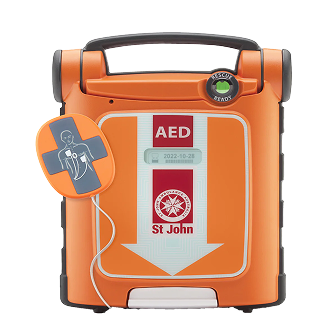
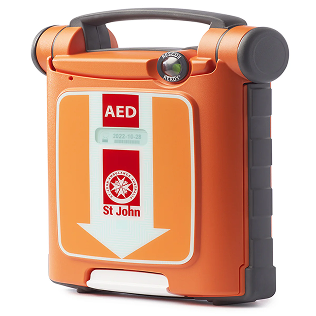
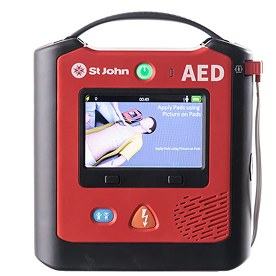
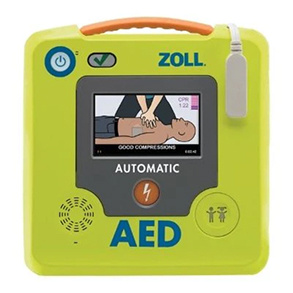
St John offers a range of defibrillators designed for use in homes, workplaces, schools, sports facilities and community spaces – helping people respond quickly in an emergency.

Popular Defibrillators

Accessories

We can help you choose the right defibrillator for your needs.

Call or email us today,

Defib Solutions
for your workplace.

We support workplaces with everything from choosing the right defibrillator to training, expert guidance and maintenance, so staff feel confident responding in an emergency.

Defibrillator
Resources.

Common Myths

St John Defibrillator Myths: How do they work?

St John Defibrillator Myths: You don't need to remove clothing do you?

Defibrillator Guides

Workplace Defibrillator Guide for First Time Buyers

Learn what to consider when choosing, installing and maintaining a defibrillator in your workplace or organisation.

FAQs About Defibrillators

Get answers to common questions about defibrillators, including safety, training requirements and how AEDs work in an emergency.

Defibrillator Maintenance Checklist

A practical guide to checking your AED, pads and battery to help keep your device emergency-ready.

Find your nearest Defib (AED)

Use the same map to locate the nearest registered defibrillator in an emergency.

Register your Defib (AED)

Register your defibrillator to make it visible to emergency services and community members who need it most.

FAQ

No! You absolutely cannot do ‘extra’ harm with a defibrillator. These medical devices will only deliver an electrical shock to the heart of someone who needs it. The defibrillator measures the heartbeat of the patient and will only administer a shock if needed.
Remember… if someone has suffered a cardiac arrest, they are already technically dead. Using a defibrillator and administering CPR offers the best chance of restoring life. Chances of survival are 70% higher when a defibrillator is used before paramedics arrive.
No! It is impossible to give a shock to the heart of someone who does not need one. They are completely safe to the rescuer.
Yes. Defibrillators are designed to be used by anyone – whether you have a medical background or not! Defibrillators use a series of illustrations and calm voice prompts to guide you through the whole process, step by step – so you don’t even need training on how to use one.
While St John Ambulance NSW offers training and recommends it for confidence and familiarity, you do not need training to use a defibrillator. If you enrol in our first aid training courses, you’ll most likely see our trained facilitators demonstrating how to use a defibrillator. Anyone can and should use a defibrillator if there’s an emergency.
A defibrillator should be used when you believe someone has suffered a cardiac arrest. That means the individual is unconscious and showing no visible signs of life.
Yes. Just make sure the person’s chest is dried off as much as possible and try to seek shelter if you can.
Absolutely. A mother will need to be resuscitated so that the unborn baby can survive.
Yes. Often, there are different pads in the defibrillator kit – in different sizes for a child’s body compared to an adult’s body. This makes it safer for children, but never hesitate to use a defibrillator on a child, even if there are only larger pads available. The defibrillator will measure the heartbeat and know this is a child, so will only deliver the shock needed for a child, which is different to the shock needed for an adult. As the user or rescuer, you don’t need to do anything differently.